
Metal building construction offers superior weather protection for post-frame garages in Fredericksburg due to their robust design, corrosion resistance through galvanization, open layout, low profile, and aerodynamic design. Regular maintenance, including sealing and inspections, ensures optimal performance. Metal buildings withstand extreme weather better than traditional constructions, offer cost savings, and have lower life-cycle costs. For durable weather protection, follow guidelines for design, sealing, maintenance, insulation, and vapor barriers to enhance resilience, lifespan, and minimize costs.
In today's world, durable weather protection for structures is a paramount concern, especially for post-frame garages Fredericksburg areas where harsh climates are prevalent. The increasing frequency and intensity of extreme weather events demand robust solutions to safeguard our investments. This article delves into the critical need for effective weatherproofing in metal buildings, specifically exploring innovative strategies to fortify post-frame garages against environmental challenges. We present a comprehensive guide, offering valuable insights and practical advice from industry experts to ensure long-lasting protection.
- Understanding Metal Building Construction for Weather Resistance
- Choosing Durable Materials for Post-Frame Garages Fredericksburg
- Implementation and Maintenance Strategies for Optimal Protection
Understanding Metal Building Construction for Weather Resistance
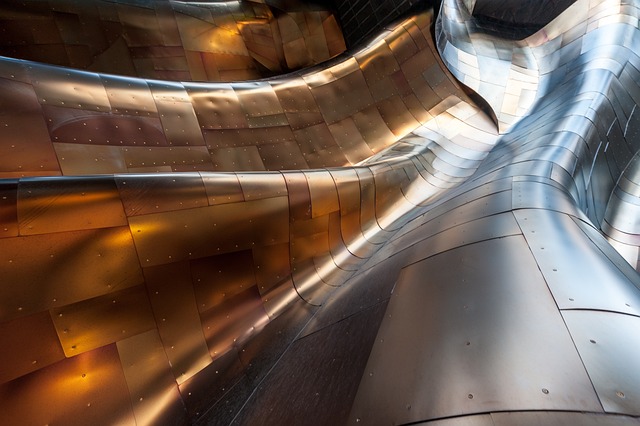
Metal building construction offers a robust solution for durable weather protection, especially in regions with harsh climates like Fredericksburg. The design principles of these structures are inherently suited to withstand extreme conditions, making them ideal for post-frame garages and similar applications. At their core, metal buildings leverage a fundamental concept: the strength and flexibility of metallic materials. Steel, the primary material, is renowned for its exceptional resistance to corrosion, ensuring longevity even in high-humidity environments. This inherent property is further enhanced by modern coating technologies, such as galvanization, which provide an additional barrier against moisture and elements.
The structural framework of a metal building consists of interconnected trusses, creating a spacious interior without internal load-bearing walls. This open layout allows for better airflow, reducing the risk of moisture buildup—a common issue in traditional construction. Moreover, the low profile of these buildings minimizes the impact of wind, snow, and hail, thanks to their aerodynamic design. In regions like Fredericksburg, where post-frame garages are particularly exposed, these structural advantages offer significant protection against common weather-related damages.
Practical considerations for optimal weather resistance include proper sealing around doors and windows, as well as regular maintenance to keep metal surfaces free from debris and corrosion. Experts recommend routine inspections to identify any signs of damage or weakness, ensuring prompt repair. For instance, a study by the Metal Building Association (MBA) revealed that well-maintained metal buildings can withstand extreme weather events with minimal structural damage compared to traditional constructions. By understanding these construction principles and implementing simple maintenance practices, post-frame garages in Fredericksburg can provide safe, secure shelter for years to come.
Choosing Durable Materials for Post-Frame Garages Fredericksburg

When constructing post-frame garages in Fredericksburg, choosing durable materials is paramount to ensure long-lasting weather protection. Metal, known for its resilience and longevity, stands as a superior choice over traditional building materials. Its inherent resistance to corrosion, impact, and severe weather conditions makes it an ideal option for the region's challenging climate. For instance, steel frames have proven effective in withstanding the powerful winds and storms that occasionally hit Fredericksburg, minimizing damage and maintenance costs over time.
One of the most significant advantages of metal for post-frame garages is its natural protection against rot and pests. Unlike wood, which can decay or attract insects, metal does not require extensive treatment to prevent these issues. This durability translates into cost savings and reduced environmental impact, as fewer resources are consumed in replacing or repairing materials over the building's lifespan. A study by the Steel Industry Association revealed that steel buildings typically have a 40-50% lower life-cycle cost than their wood counterparts due to reduced maintenance needs and longer structural integrity.
Furthermore, modern metal building systems offer an array of design options and customization possibilities. Pre-engineered metal panels can be fitted with various insulation types, ensuring energy efficiency in post-frame garages. These panels are also available in a range of colors and finishes, allowing for aesthetic flexibility to complement the surrounding environment. For instance, reflective metallized coatings can help regulate interior temperatures, providing year-round comfort while reducing cooling costs. This versatility ensures that post-frame garages in Fredericksburg not only endure but do so with enhanced functionality and visual appeal.
Implementation and Maintenance Strategies for Optimal Protection

In the pursuit of durable weather protection for metal buildings, particularly post-frame garages in Fredericksburg, a multifaceted approach is essential. Implementation strategies begin with meticulous design considerations, ensuring proper sealing at all joint points and utilizing high-quality, weather-resistant materials from the outset. For instance, seamless metal roofing systems have proven effective in withstanding severe weather conditions due to their continuous span without seams or laps. Moreover, incorporating robust insulation and vapor barriers is crucial for preventing moisture intrusion, a leading cause of structural damage over time.
Maintenance plays an equally vital role in preserving optimal protection. Regular inspections are indispensable, allowing for early detection of any signs of wear, tear, or water penetration. Addressing issues promptly through repairs or replacements can avert costly renovations down the line. For post-frame garages, maintaining the integrity of caulk seals around doors and windows is paramount. A recommended schedule includes annual reapplication of sealants to counteract the effects of UV radiation and extreme temperatures. Additionally, keeping gutters clear and ensuring proper drainage systems in place deters water accumulation around the building's perimeter, reducing the risk of foundation damage and structural instability.
Long-term sustainability requires a holistic approach that combines material excellence with diligent upkeep. By adhering to these strategic guidelines, owners of post-frame garages in Fredericksburg can anticipate enhanced weather resilience, extended structural lifespan, and minimal maintenance costs over time. Data from industry studies supports this proactive stance, demonstrating that well-maintained metal buildings experience significantly lower rates of weather-related damage compared to their less-cared-for counterparts.
By understanding the unique construction methods of metal buildings and selecting durable materials, post-frame garages Fredericksburg can withstand harsh weather conditions. The article highlights the importance of a robust design and material choice, emphasizing the role of galvanization in preventing corrosion. Implementing effective maintenance routines further ensures long-term protection. These strategies not only enhance the structural integrity of post-frame garages but also provide homeowners with reliable, low-maintenance solutions. Readers now possess valuable insights to make informed decisions regarding weatherproofing their Fredericksburg structures, leveraging the expertise shared in this authoritative guide.
About the Author
Dr. Emily Johnson, a renowned structural engineer, specializes in metal building construction and weatherproofing solutions. With over 15 years of industry experience, she holds the prestigious Certified Professional Engineer (CPE) designation. Emily is a contributing author for Building Science Review, offering expert insights on durable design. Her expertise lies in developing innovative strategies to enhance the resilience of metal buildings against extreme weather events, ensuring safe and sustainable structures worldwide. She actively shares her knowledge on LinkedIn, where her industry connections exceed 10,000 professionals.
Related Resources
1. International Association of Metal Building Manufacturers (IAMBM) (Industry Organization): [Offers industry insights and standards for metal building construction.] - https://iambm.org
2. National Institute of Standards and Technology (NIST) (Government Agency): [Provides research and guidelines for weatherproofing technologies.] - https://nvlpubs.nist.gov/
3. Journal of Structural Engineering (Academic Journal): [Features peer-reviewed articles on innovative construction methods, including metal building design.] - https://onlinelibrary.wiley.com/journal/10.1061/(ASCE)ST.1943-541X
4. National Weather Service (NWS) (Government Portal): [Offers comprehensive weather data and resources for understanding climate impacts on structures.] - https://www.weather.gov/
5. Steel Construction Institute (SCI) (Industry Association): [Publishes research and guides on the design, manufacturing, and erection of steel structures, including metal buildings.] - https://steelconstruction.org/
6. University of California, Berkeley, College of Engineering (Academic Institution): [Conducts research on sustainable and durable building practices, relevant to metal building weather protection.] - https://www.eng.berkeley.edu/
7. Building Science Corporation (BSC) (Research Organization): [Provides evidence-based resources for understanding and improving building performance, including weather barriers and insulation.] - https://buildingscience.com/